
I Kingma State · Chapter V
The end of Kingma State
1825–1864
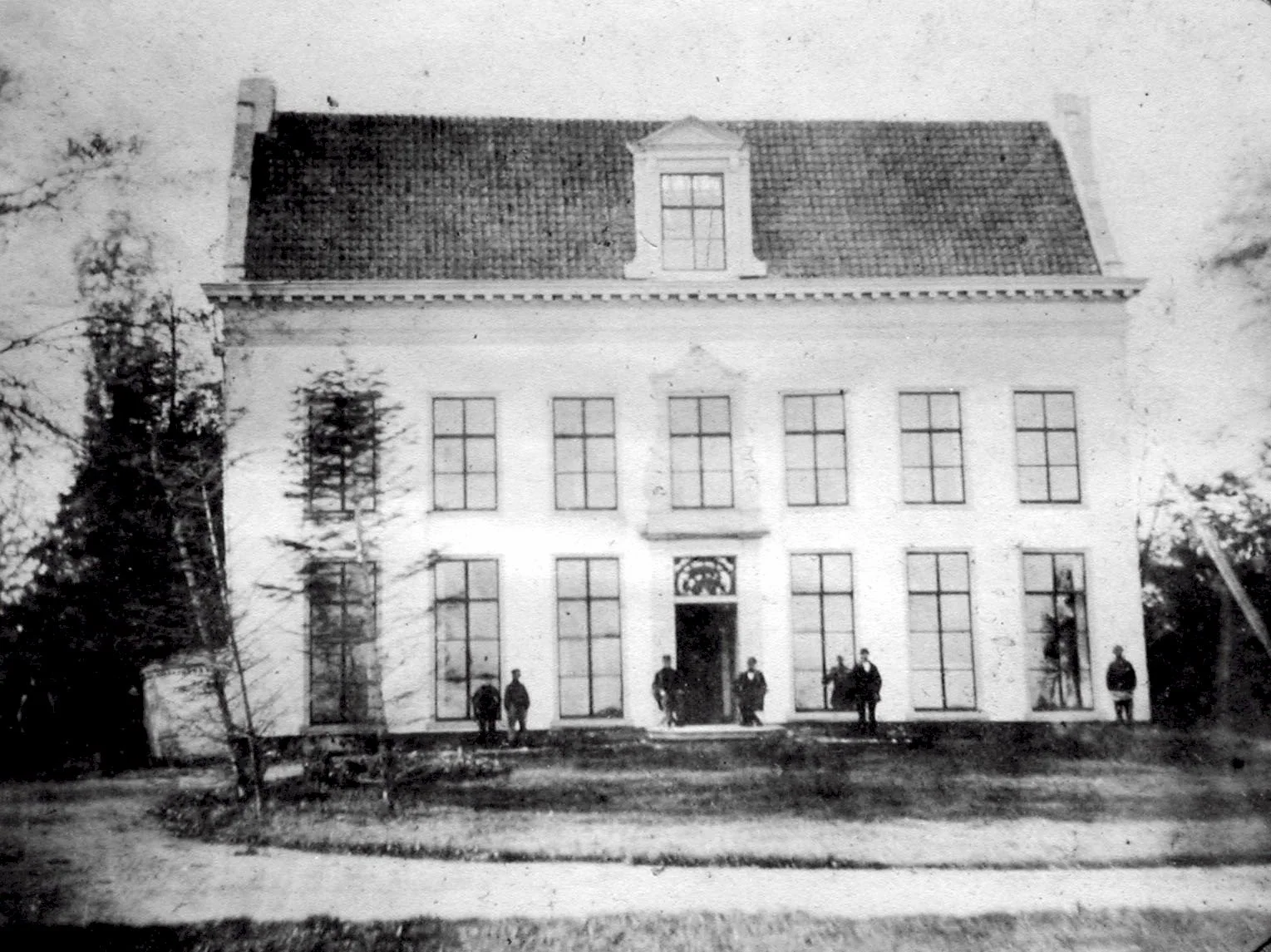
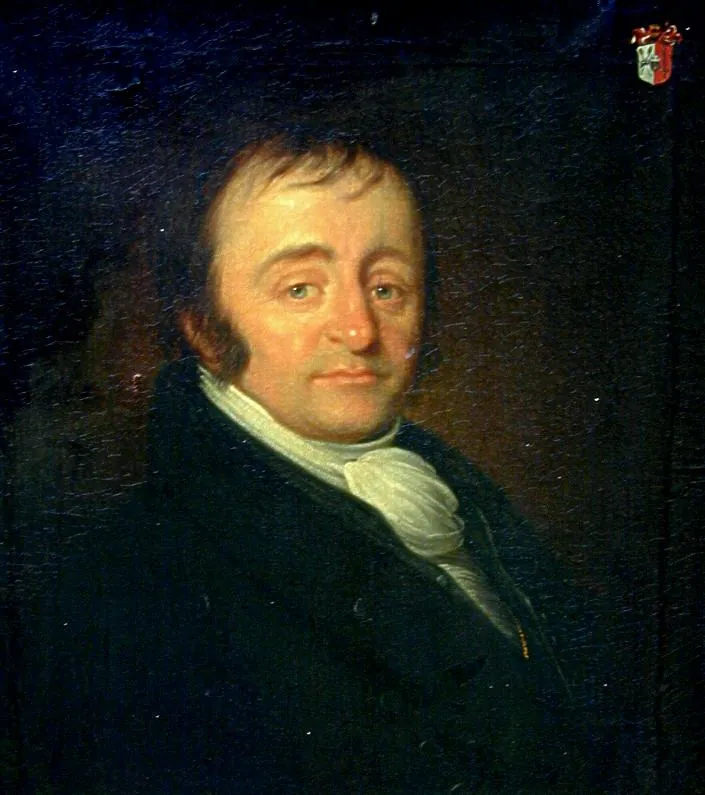
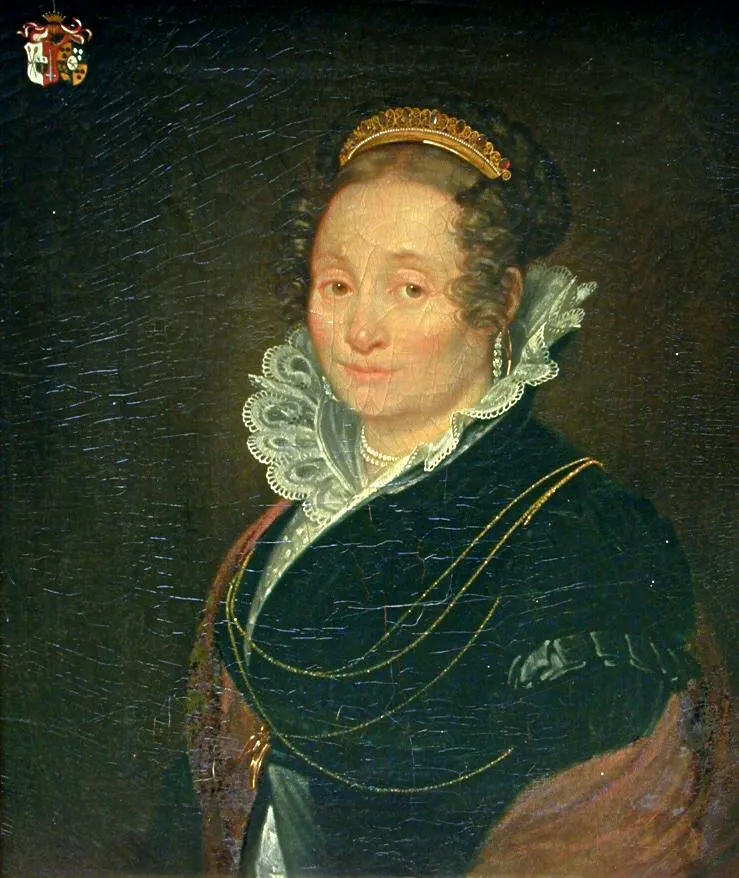
The last people to live at the state were jonkheer Ulbo Jetze Heerma van Beijma thoe Kingma, grietman and later mayor of Franekeradeel, his wife Elisabeth Godin and their sons. His mother, Agatha Wilhelmina van Voss, also lived there until 1856. His father, jonkheer Julius Matthijs van Beijma thoe Kingma, lived there from 1825 until his death in 1847.
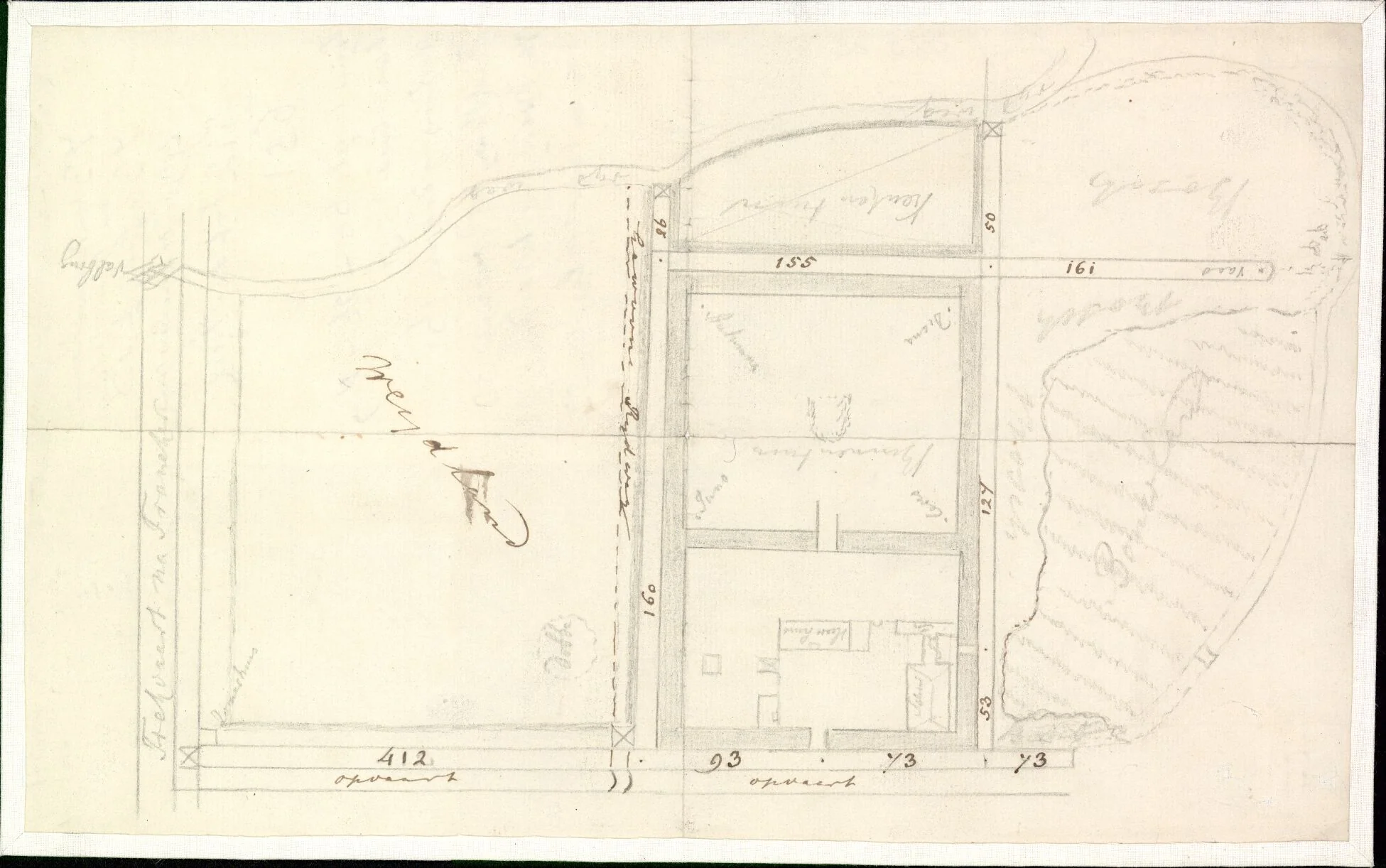
A sketch of the layout of the gardens of Kingma State has survived, possibly dating from the period when Julius Matthijs van Beijma lived there. Whether it shows the gardens as they were at the time or a plan for redevelopment is unclear. The garden architect Lucas Pieters Roodbaard (1782-1851), who laid out many country estates and gardens in the northern Netherlands in those years, worked on the garden of Kingma State in the autumn of 1826 and the spring of 1827; his bill to Van Beijma came to 603.10 guilders (Joost Kingma, Ruiter voor de Republiek, 2022, chapter 7). Whether the sketch is by his hand, we do not know.
Julius Matthijs was the son of Coert Lambertus van Beijma, the famous patriot who fiercely criticised the stadholder's despotism, as in the conflicts with the stadholder over the appointment of grietmannen (mayors). In 1787, Coert Lambertus led a coup in Franeker and became head of a counter-government. When the Prussian army invaded the Republic to help the stadholder, many patriots fled, most of whom ended up in Saint Omer in northwest France. This is why Julius Matthijs, born on 25 September 1781 in Ternaard, spent part of his youth in Saint Omer. In 1795, the patriots returned to the Republic in the wake of the French.
Julius Matthijs initially held various positions related to government finances. He was also justice of the peace in the canton of Hindeloopen; documents still call him so in 1821 and in 1825.
As justice of the peace he asked King Willem I for permission to add “de toenaam of tytel thoe Kingma” (the byname or title thoe Kingma) to his name and to his family coat of arms. Apparently, this could not be done without permission. In a document dated 2 February 1821 and signed by the king, he was granted permission to add thoe Kingma to his name. A second decree, of 9 March 1821, allowed him to add the arms of thoe Kingma to his family coat of arms. Only on 10 April 1842 did King Willem II recognise him as a member of the nobility, with the title of jonkheer.
On 30 June 1806, Julius Matthijs married Agatha Wilhelmina Sybrandsdochter van Voss in Peins. They had seven children.
His unmarried uncle Eduard Marius van Beijma was grietman (mayor/judge) of Franekeradeel and lived at Kingma State in Zweins. When he died in 1825, Julius Matthijs became grietman of Franekeradeel and resident of Kingma State. He also held numerous other positions, such as member of the Provincial States of Friesland and co-founder and board member of the Friesch Genootschap.
In 1832, when the land registry (cadastre) was introduced, Julius Matthijs owned not only Kingma State with the land belonging to it, such as the garden, the driveway and the access canal (about 6 ha in all). He also owned many of the pastures and fields immediately around the state. In addition he owned the brickworks on the canal and sixteen (of the eighteen) houses of Kingmatille. The two toll keepers' houses belonged to the town of Franeker. The canal, or at least almost one and a half hectares of it, was also in the name of Julius Matthijs, although he was probably only a usufructuary (for tax purposes). The towpath along the canal again belonged to the town of Franeker.
Julius Matthijs also owned nine houses in Franeker and a great deal of land far around Zweins. He was, in short, a wealthy man.
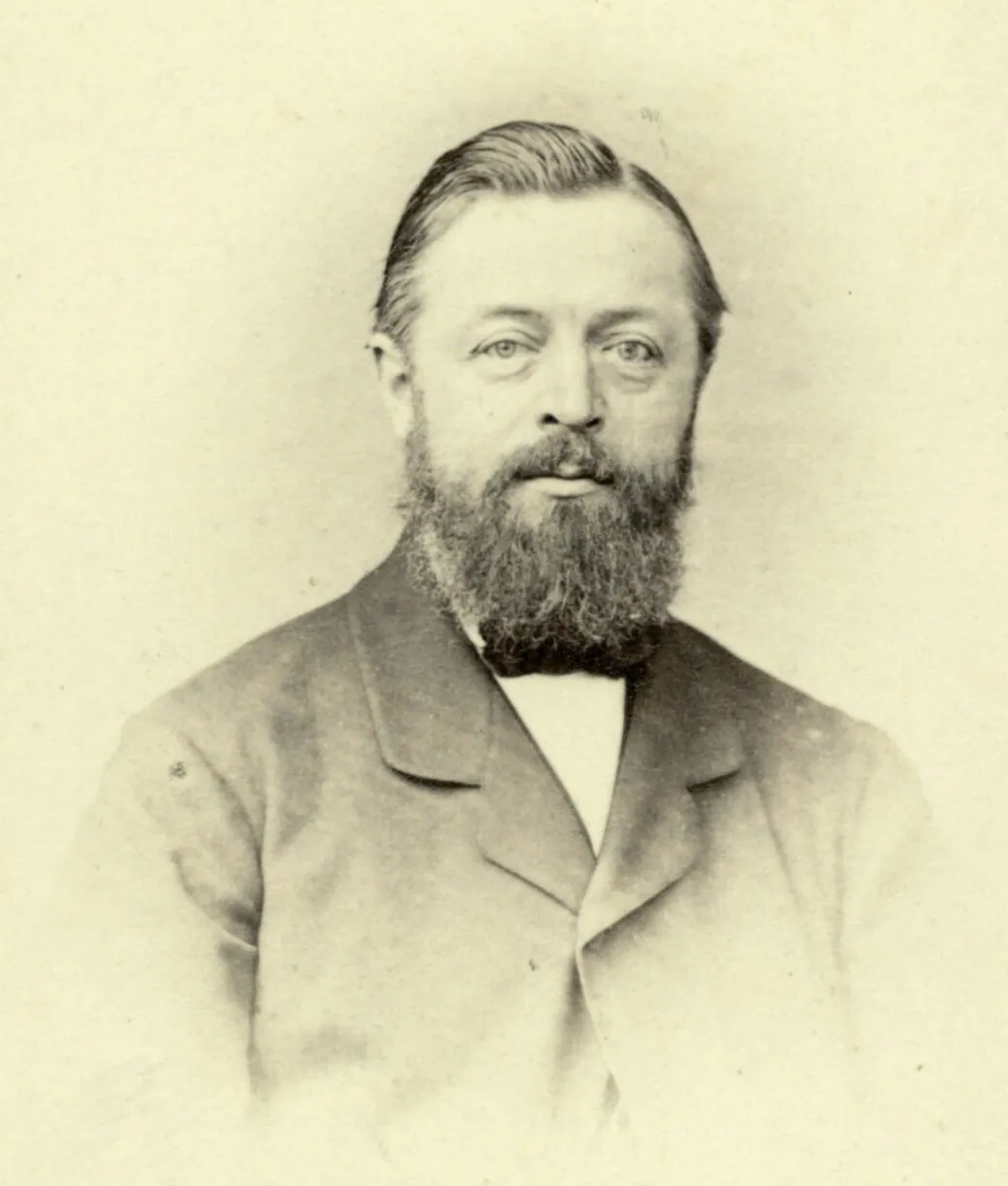
Julius Matthijs died on 14 September 1847 at the age of 65. Three of his seven children had already died by then. His youngest son, Ulbo Jetze Heerma van Beijma thoe Kingma, succeeded him as grietman of Franekeradeel in February 1848; after the Municipalities Act of 1851 the office was called mayor (burgemeester). Ulbo lived at Kingma State with his mother, and after his marriage to Elisabeth Godin in 1848 also with his family: their two sons were born there in 1849 and 1862.
The will of Julius Matthijs stipulated that his wife receive the full usufruct of all his possessions. On 20 April 1848 she renounced all her rights in favour of her four sons, namely Coert Lambertus living in Joure, Sijbrand Willem Hendrik Adriaan living in Leeuwarden, Frederik Hessel living in Heerenveen and Ulbo Jetze Heerma living at Kingma State near Zweins. In return, Agatha Wilhelmina van Voss could use all the furniture she deemed necessary, and each of the four sons would pay her a thousand guilders a year in two instalments.
On 12 May 1856, Agatha Wilhelmina rented a house in Leeuwarden on the north side of the Eewal, where she lived until her death on 12 August 1861 at the age of 77. Apparently she felt her end approaching on 6 August, when she sent a courier on horseback to her son at Kingma State, as a bill of 6 guilders for it shows. After her death, she was taken to Zweins by boat in a coffin and buried there on 14 August.